GOCO Wellness Experts Series
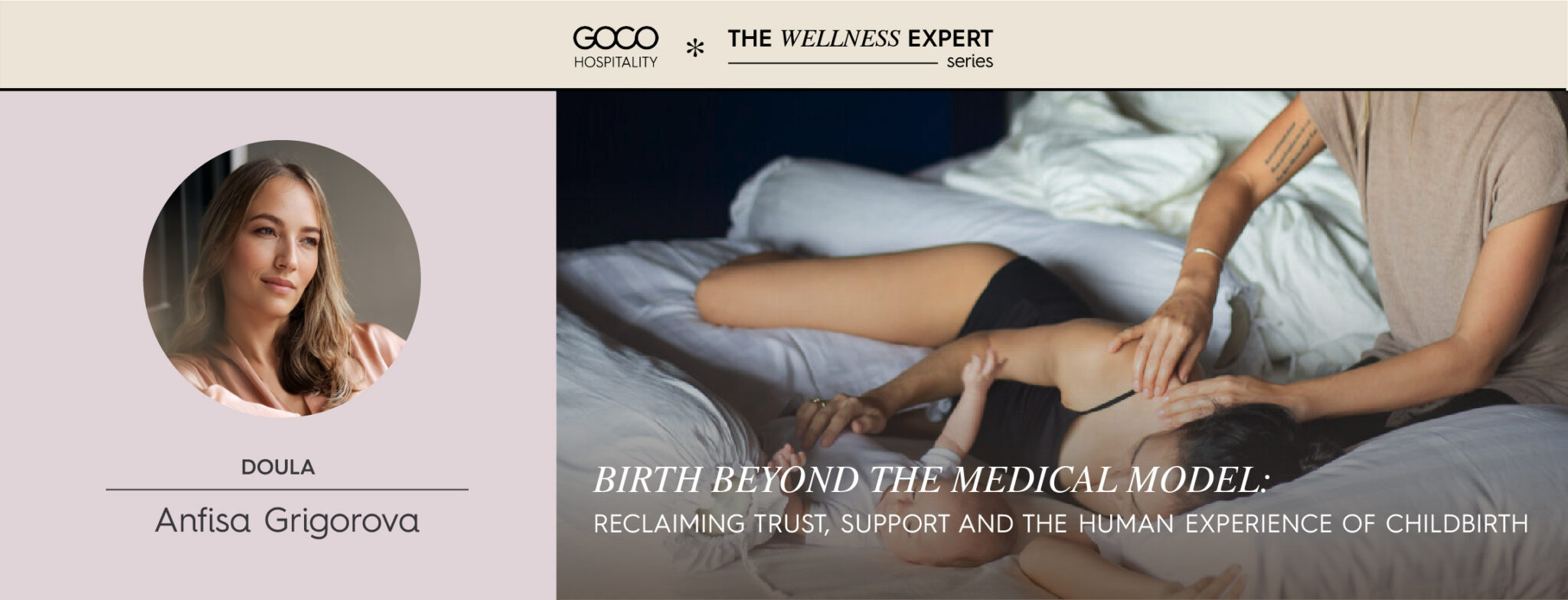
Birth Beyond the Medical Model: Reclaiming Trust, Support and the Human Experience of Childbirth with Anfisa Grigorova
In this edition of our Wellness Expert Series, we turn our attention to one of the most profound yet often under-supported passages in a woman’s life: birth. We sit down with Anfisa Grigorova, a doula with over 11 years of practice, a psychology graduate specialising in body-oriented therapy, a breastfeeding consultant and a postpartum recovery practitioner based in Bangkok. Her work bridges the emotional, physical and ancestral dimensions of childbirth, and her story is as compelling as her mission.
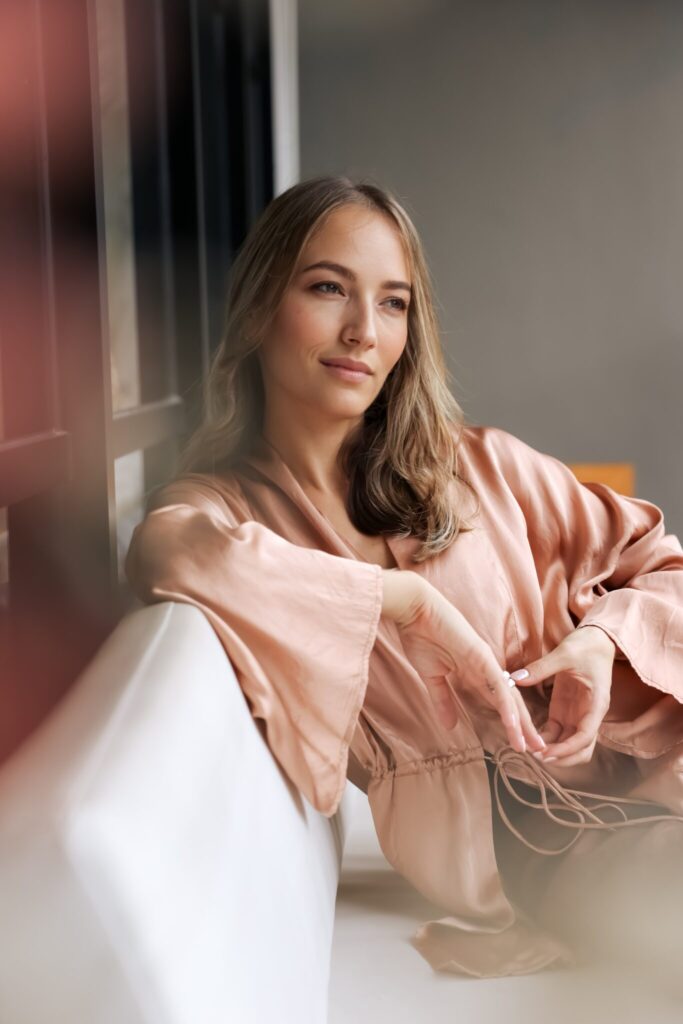 Anfisa Grigorova, a doula, psychology graduate, a breastfeeding consultant and a postpartum recovery practitioner.
Anfisa’s path into birth work began in a classroom. A trained teacher and founder of her own Waldorf-inspired school in Russia, she was first called to attend a birth by one of her school mothers, not for her medical knowledge, but simply because the mother told her, “I feel calm with you.”
That birth, a natural VBAC (vaginal birth after cesarean), a physical and emotional triumph, changed the course of her life entirely. Anfisa went on to complete a rigorous 18-month doula training programme before expanding her practice across Europe and eventually settling in Bangkok, where she has worked for over a decade. Here, she has built trusted relationships with doctors and hospitals to create gentler, more family-centred birth experiences, including water births, and is one of the very few Russian-speaking doulas supporting Bangkok’s international community.
Her practice deepened further when she discovered that her great-grandmother had been a village midwife from a lineage of birthkeepers. What had felt like a conscious calling revealed itself to be something older, a thread running through generations.
To complement her experience with academic grounding, Anfisa pursued a second degree in psychology, specialising in body-oriented therapy and psychosomatics, allowing her to address emotional and physical patterns that may arise during labour. She is also a qualified breastfeeding consultant and postpartum recovery practitioner, trained in Thai and Mexican postnatal healing traditions.
Her philosophy is centred on restoration, guiding women back to their own bodies, instincts and unique paths into motherhood.
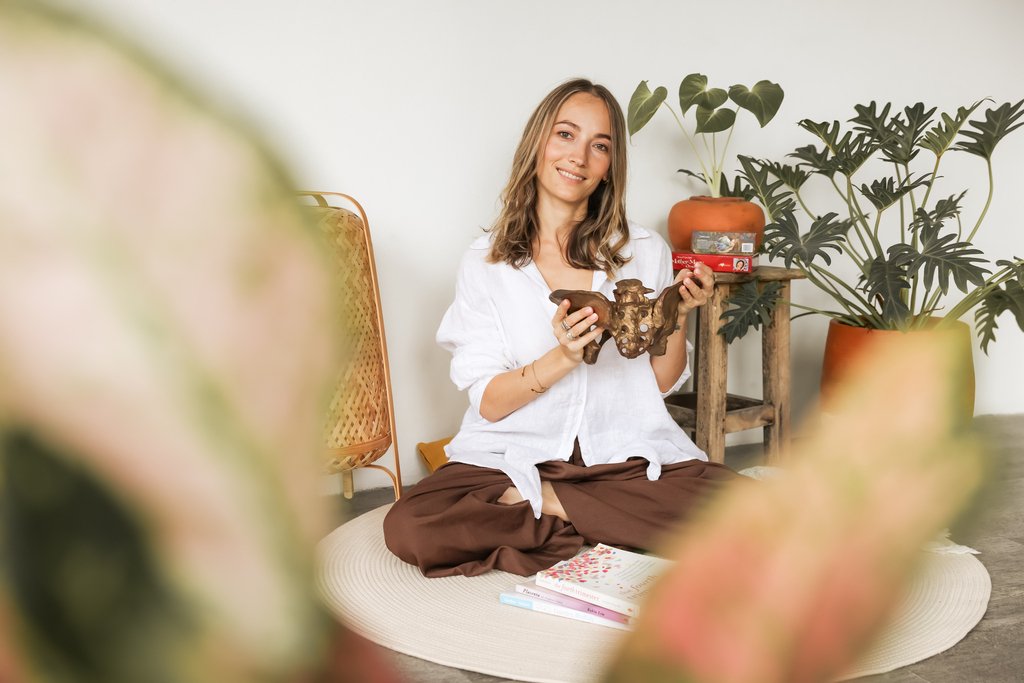 Anfisa Grigorova
You were a teacher before you were a doula. What did working with children teach you about birth, and do you see a connection between those two roles?
For me, working with children and supporting women through birth belong to the same category: dedicating my time and energy to life itself, to something alive, real and constantly unfolding.
Neither children nor birth can be managed the way we manage systems, schedules or numbers. They don’t need to be controlled; they need to be protected, supported and given the right conditions to thrive.
Working with children taught me how to love more deeply, even when things are messy, unpredictable or chaotic. They taught me patience and respect for life’s natural drive to grow, explore and move forward.
Birth reminds me of the same thing. When we create safety and support, life knows what to do.
The first birth you attended was a natural VBAC, one of the more complex and emotionally loaded births a woman can have. Looking back, what do you think you offered that mother that she couldn’t find elsewhere?
I offered her space to be herself. Space to make sounds, move her body and follow her instincts without being judged or rushed. Space to feel safe. It sounds simple, yet it is often one of the most overlooked elements of childbirth.
Her first birth had been very different. There was pressure, emotional neglect and not enough time for labour to unfold naturally. Stress became part of the experience, and stress affects birth profoundly. A woman’s body cannot fully open when it feels threatened, watched or hurried. Labour progresses best in an environment that feels private, warm, intimate and safe.
This time she had that environment. She felt supported instead of managed. Trusted instead of pressured. And her body responded beautifully. She achieved the natural VBAC she had hoped for and welcomed her baby with confidence and ease.
You’ve described your great-grandmother as a village midwife from a lineage of birthkeepers. How did discovering that ancestral thread change your relationship to your own work?
It gave me roots. Discovering that my great-grandmother was a village midwife made me feel connected to something much bigger than myself. It reminded me that my blood and bones carry the wisdom of women who came before me. I no longer felt like I had to figure everything out alone. It helped me trust my intuition.
One birth in particular comes to mind. A mother’s labour had stalled for many hours. We had tried all the usual approaches, but nothing seemed to help. Then I had a sudden feeling that what she needed was to connect with her own mother, who had passed away a few years earlier.
There was no obvious logic behind it. Yet I felt strongly that it mattered. I gently began asking her about her mother and about her own birth story. We both cried. Shortly afterwards, her labour shifted dramatically. She began feeling powerful urges to push, and her baby girl arrived so quickly that the nurse had to catch the baby before the doctor made it into the room.
Later she told me, “I felt my mother helping me bring this baby down.” I still get goosebumps when I remember that birth.
Moments like that remind me that birth is not only physical. It is emotional, relational and sometimes profoundly spiritual. Not everything can be explained by logic alone.
Bangkok may not be the first city people associate with natural or gentle birth. What has it taken to build the kind of relationships with doctors and hospitals that allow your clients to have personalised, family-centred experiences here?
It has taken years of trust-building. Many people are surprised to learn that gentle, family-centred birth is absolutely possible in Bangkok. But it didn’t happen overnight.
For many years, doulas, midwives and birth professionals here have been building respectful relationships with doctors and hospitals. Rather than working against the medical system, we’ve worked alongside it.
When healthcare providers see women labouring confidently, making informed decisions and having positive birth experiences, trust naturally grows. Over time, more doctors become open to supporting physiological birth and more families feel empowered to participate actively in their own care.
The result is not a choice between medical safety and a beautiful birth experience. Increasingly, families in Bangkok can have both.
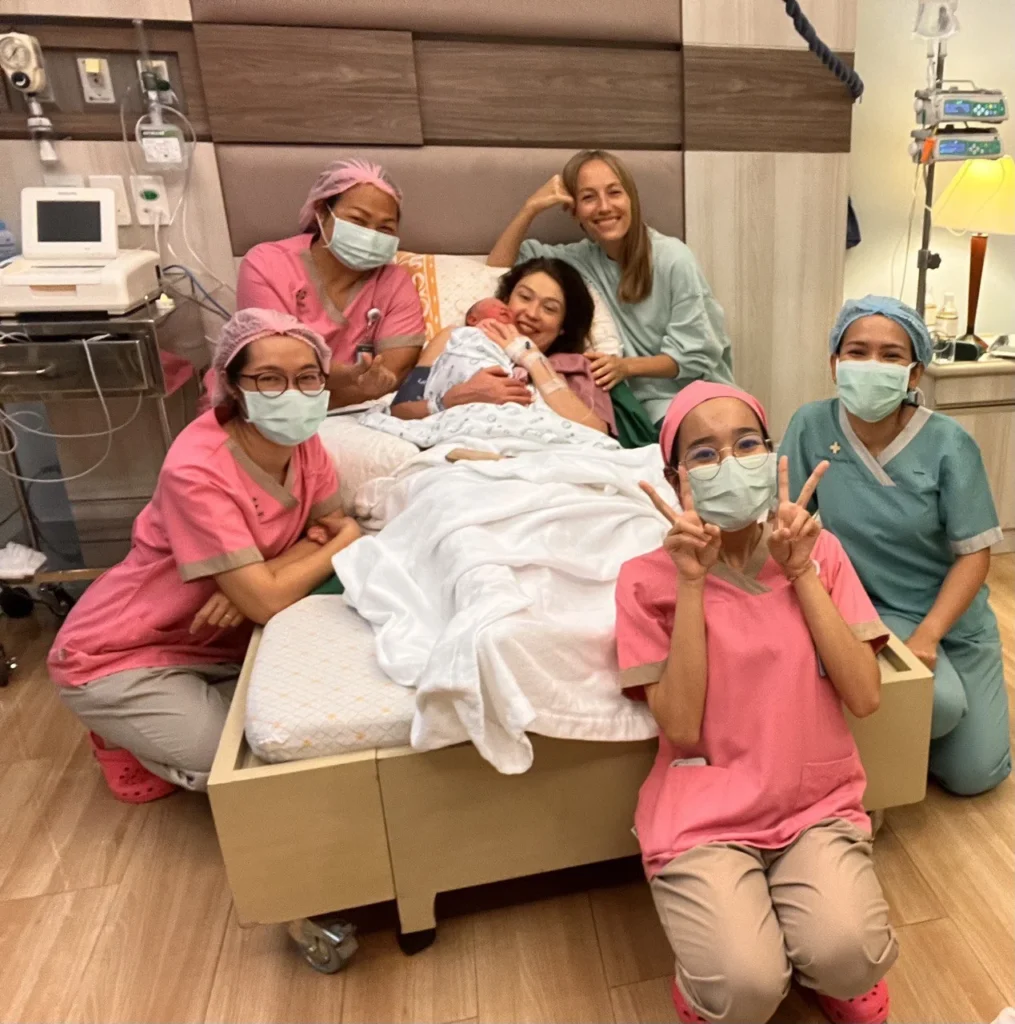
“For many years, doulas, midwives and birth professionals here have been building respectful relationships with doctors and hospitals.”
You have a background in body-oriented therapy and psychosomatics. Can you give us an example of how emotional or psychological patterns can physically affect the progress of labour, and how you gently work with that?
Birth happens through the body, but the body is deeply connected to the mind and emotions. One pattern I see quite often is a woman who feels she must stay in control at all times. In everyday life, this may have helped her become successful, responsible and capable. But labour requires a different state. Birth asks us to surrender to a process we cannot fully control.
When a woman feels unsafe letting go, labour can become longer, contractions may become less effective, or progress may slow down.
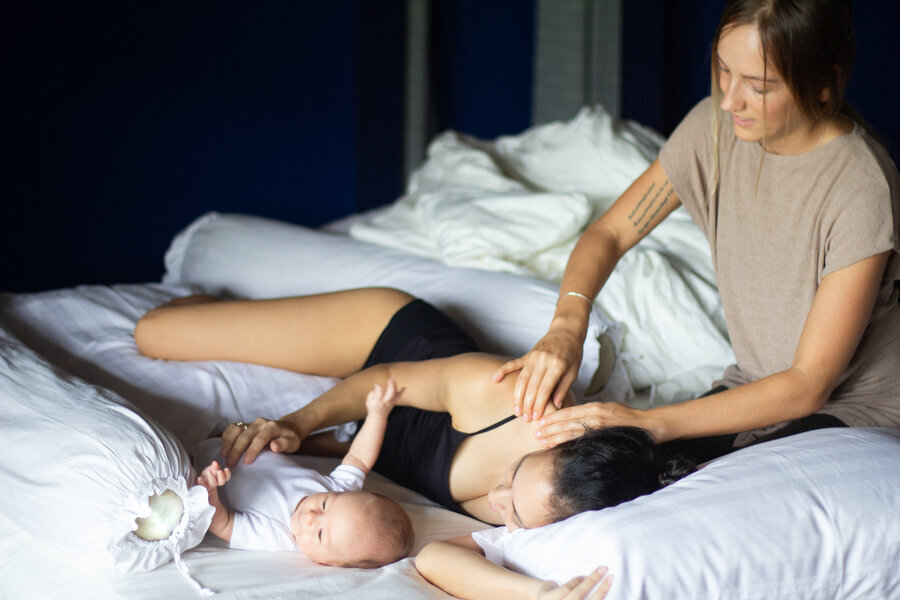
My role is never to analyse or “fix” her, to tell her what is “right”, or to say that she “must let go”. Instead, I help her feel safe enough to soften. Sometimes that happens through conversation; sometimes through touch, movement, breathing, energy work or simply by creating a calm environment where she feels seen and understood.
Very often, when emotional tension releases, the body responds beautifully and progresses with less effort.
There is a lot of fear around birth, particularly among first-time mothers or those who have experienced a previous difficult birth. What do you say to a woman who comes to you carrying that fear?
The first thing I tell her is that fear is not a problem. Fear makes sense. Birth is one of the biggest transitions a person can experience, and many women carry stories, images or previous experiences that understandably make them anxious.
I don’t try to convince women that they shouldn’t be afraid. Instead, I invite them to become curious about their fear. What exactly are they afraid of? Where did that fear come from? What support do they need in order to feel safer?
Fear often becomes smaller when it is acknowledged. As a psychologist, I don’t see fear as an enemy. Every emotion carries energy, and fear carries a lot of it. When fear is suppressed, it can become tension. When it is acknowledged and given space, that same energy can become courage, focus and resilience. My role is not to make fear disappear, but to help women transform it into something that supports them.
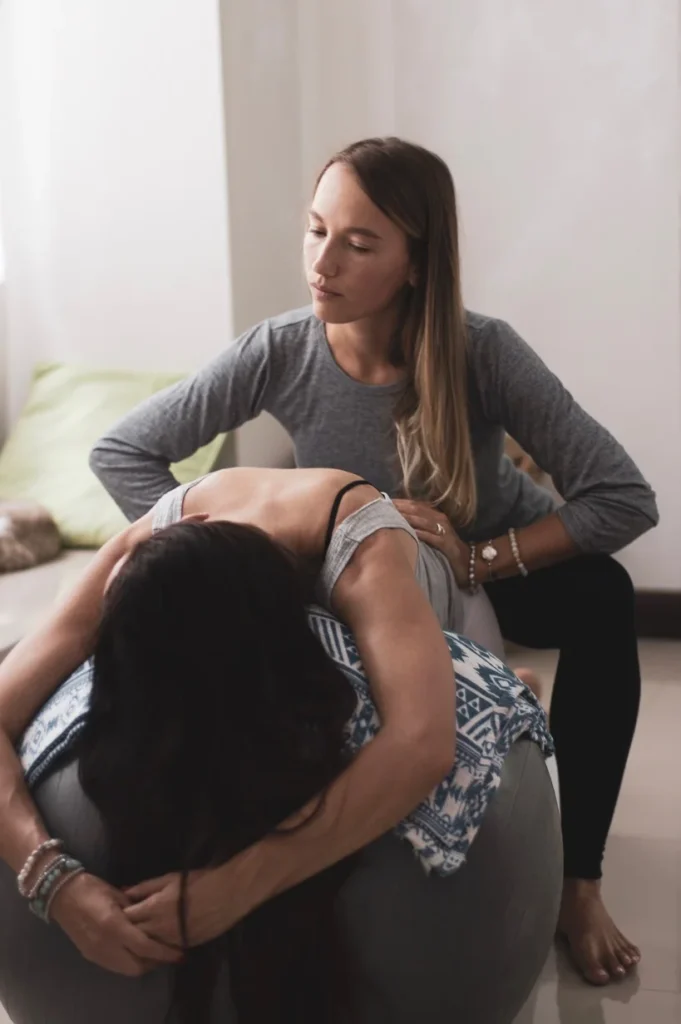 “The health of a family begins with the health of the mother. That’s why I do what I do.”
You work across pregnancy, birth and the postpartum period, including training in Thai and Mexican postnatal healing traditions. Why do you think the fourth trimester is so consistently underestimated in modern wellness culture?
Because our culture celebrates the baby and often forgets the mother. I believe this reflects a larger pattern in the way we relate to life itself. We are taught to grow, achieve, improve, optimise and produce. We are constantly focused on what comes next.
What we are taught far less often is how to nourish, protect, tend to and honour what has already given so much. We take from the earth, from our bodies, from our relationships and often from women. We expect them to keep giving, keep carrying, keep producing. And after a woman has done perhaps the most extraordinary thing a human body can do, bringing new life into the world, we often say “Congratulations” and expect her to move on as quickly as possible.
Many women have internalised this attitude themselves. They feel guilty for needing rest, support or care. Traditional cultures understood something different. They recognised that after giving life, a woman herself needed to be deeply nourished. The postpartum period was treated as sacred, not because women were fragile, but because earlier people respected seasons and cycles, there was a time to harvest and a time to rest deeply.
To me, the fourth trimester is an invitation to remember that healing is productive too. Rest is productive. Care is productive. When a mother receives warmth, nourishment, practical help and emotional support, she does not simply recover better. The wellbeing of her child, her family and even her community benefits from that care.
The health of a family begins with the health of the mother. That’s why I do what I do.
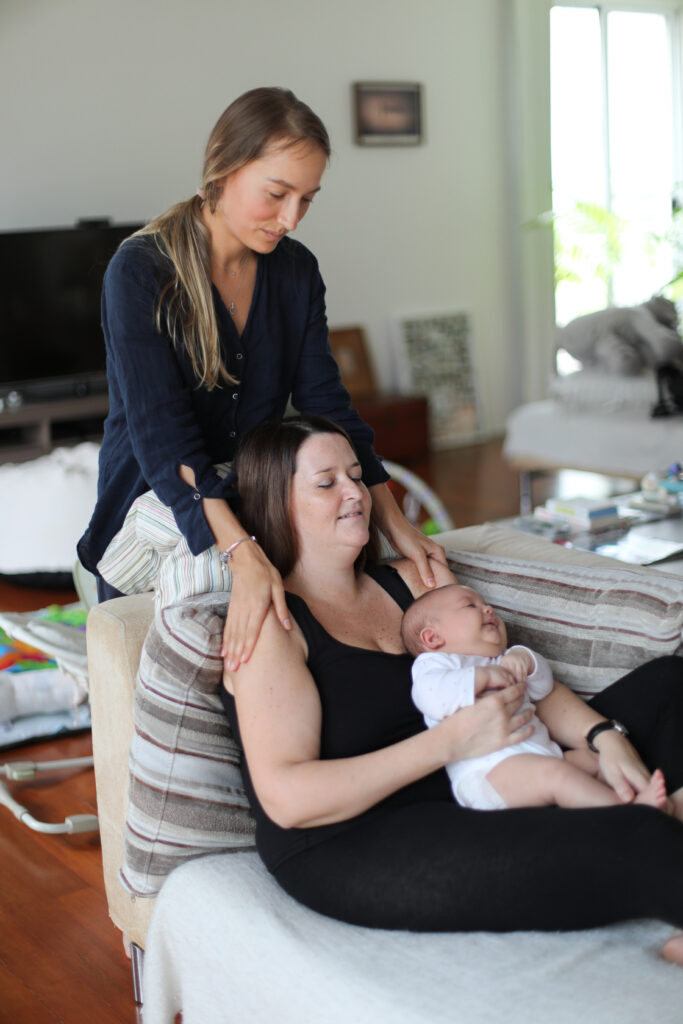 “When a mother receives warmth, nourishment, practical help and emotional support, she does not simply recover better.
The wellbeing of her child, her family and even her community benefits from that care.“
If you could change one widespread assumption about childbirth, something most people believe that you wish they didn’t, what would it be?
If I could change one widespread assumption about childbirth, it would be the belief that birth is primarily a problem to solve. Of course, birth can be intense. Sometimes it is painful. Sometimes it requires medical support. But somewhere along the way, many of us began to see birth almost exclusively through the lens of risk, fear and management.
Birth is not only a medical event. It is a profound human experience. A new person is entering the world. A mother is born alongside her baby. A family is being transformed forever.
What happens during birth matters. Not only physically, but emotionally. How a woman feels during labour, whether she feels safe or frightened, supported or alone, respected or dismissed, can shape her experience for years to come.
The baby’s experience matters too. The first touch, the first moments of skin-to-skin contact, the atmosphere in the room, the quality of presence and care surrounding the birth, these are not small details. They are the beginning of a relationship with the world.
I often think of a woman in labour as a sacred portal between worlds. Whether people relate to that language spiritually or simply symbolically, I believe it reminds us of something important: birth deserves reverence.
I wish more people saw birth not as something to get through as quickly as possible, but as a meaningful rite of passage worthy of gentleness, patience and deep respect.
For more information about Anfisa, please see below
- https://doulagentlerocking.com
- Instagram: @doula.bangkok
- Facebook: gentlerocking.doula
- YouTube: @gentlerocking