GOCO Wellness Expert Series
Why Yoga is a closed-loop, holistic system with Kamalesh Za
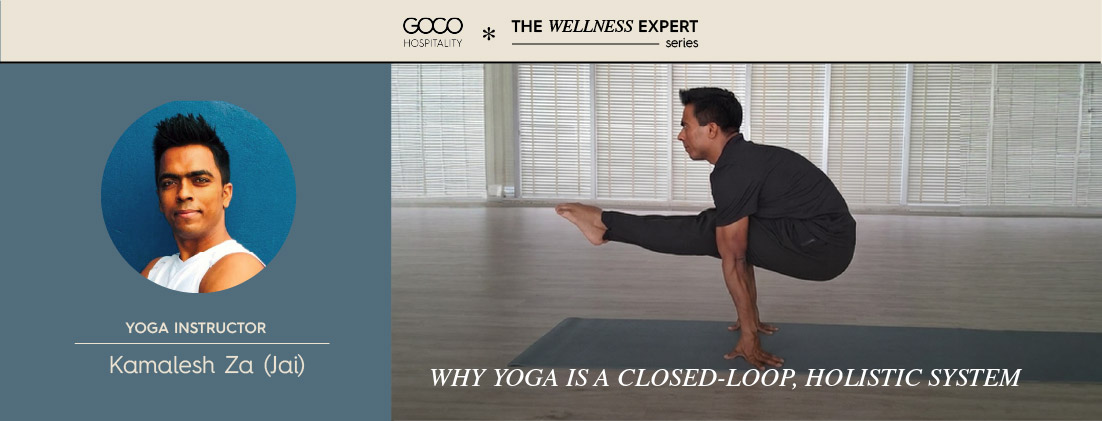
This month, we are honoured to introduce you to Kamalesh Za or Master Jai, a world-class yoga master in Bangkok.
‘Some paths aren’t chosen; they find us.’ and for Master Jai, this cannot be truer, as he was introduced to yoga from an early age but not in a studio, rather on a cricket field near a quiet temple in India at ten years of age.
Indeed, a chance glimpse of a monk teaching yoga at the Ramakrishna Math temple in Pune changed everything for Jai. There, an inexplicable pull, a feeling that this was where he belonged. What started as a childhood curiosity then evolved into a lifelong devotion. From those early days of practice to physical mastery earning him 10 National Championships medals and two International Yoga World Cup 2006 Gold medals, yoga shaped his soul and gave him a unique and meaningful identity in this world.
Supporting this elite physical mastery is a deep academic foundation as Jai holds a Bachelor of Physical Education (B.P.Ed) from Pune, a Bachelor of Arts from YCMOU Nashik, and a Diploma in Yogic Science.
For the past 15 years, Jai has been sharing that same spark of discovery with his students, proving that when we move with intention, we find our truest selves.

Kamalesh Za or Master Jai, Award-winning Yoga Instructor
How would you describe your guiding philosophy on the mat, and how does that shape the experience you create for your students?
With fifteen years of dedicated teaching, my journey as a yoga guide has been defined by a simple, enduring truth: yoga is for every body.
When you step onto the mat in my class, my deepest commitment is to your personal evolution, health, and absolute safety. I believe that true progress is never forced; it is nurtured. Every sequence I curate is thoughtfully crafted to welcome all levels, ensuring that whether you are a beginner or an advanced practitioner, you receive a deep, restorative stretch that is adapted to your body’s unique flexibility. Preventing injury and cultivating longevity are the foundations of my teaching philosophy.
My greatest wish is to see every student try, improve, and move forward at their own pace. There is no greater joy or fulfillment in my life than witnessing the tangible benefits of yoga take root in someone’s well-being. When your health improves, your spirit lifts, and you leave the mat feeling transformed, and that is when I know my purpose has been served.
What would you like to share about Yoga that people do not fully understand or know?
While many look at yoga and see mostly flexibility, the reality is that it demands an elite, deceptive kind of strength that a standard gym workout simply cannot replicate.
This is certainly not to say traditional fitness lacks value, as weightlifting is unmatched for building raw mass and isolating muscles with heavy iron. However, yoga forces you to master a completely different discipline, which is the physics of your own body weight. When holding an advanced posture or transitioning slowly between them, muscles are required to contract while simultaneously lengthening. This creates a highly dense, functional strength and exceptional joint integrity rather than just bulk and it helps builds a body that is structurally resilient, supple, and deceptively powerful. For instance, when you transition from a headstand into a crow pose, there are no machines to anchor you, your core and every tiny stabiliser muscle have to work in perfect harmony to create stability out of thin air, building a dense, incredibly functional power.
What truly makes yoga a total-body system, though, is its integration of the musculoskeletal network with the nervous system and how it trains your mind alongside your muscles. In the gym, lifting heavy sends your body into a high-adrenaline “fight or flight” mode. Yoga however flips the script and asks you to hold physically intense postures while keeping your breath slow, deep, and completely steady (Ujjayi breath). This teaches your nervous system to stay perfectly calm under extreme stress, while the movements knit your entire body together as a single, connected unit rather than a collection of isolated parts.
Impact on Lifestyle & Health
We know yoga helps us relax, but how does it actually change the way our body and nervous system handle daily stress over the long term?
As I touched on earlier, in our modern world, we are often stuck in “high alert” mode from a fast urban life, buzzing, and anxious energy driven by endless notifications and deadlines. Yoga can act as a physical “reset button” for the nervous system in many ways.
By using deep, rhythmic breathing and specific asanas (postures), we send a direct signal to the brain that we are safe. This activates the body’s natural relaxation response, lowering stress hormones like cortisol. Over time, a regular practice rewires us as we become less reactive to daily stressors and move from a state of constant urgency to one of calm and centered resilience.
Many of my students, including corporate executives and entrepreneurs, navigate high-pressure environments daily. They often share how a consistent yoga practice serves as an essential stress relief. By integrating targeted stretching, functional strength, and mobility work, we specifically address the physical toll of long desk hours, helping them reclaim deep breathing and fluid movement in their everyday lives.
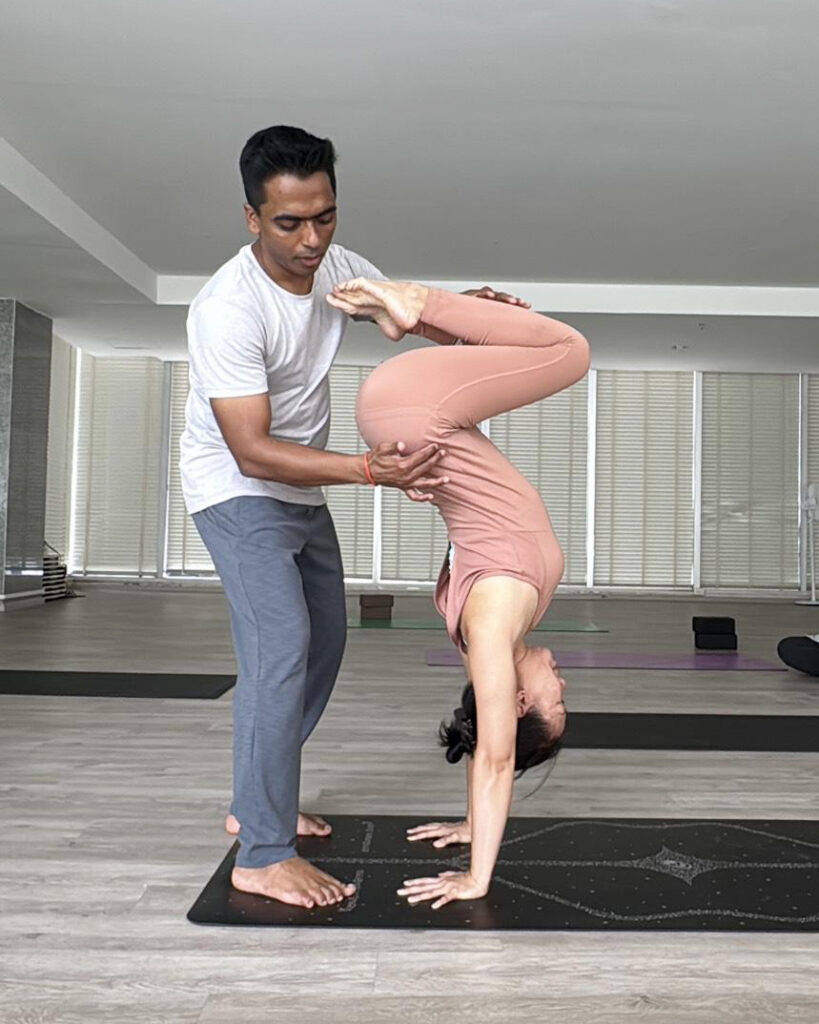
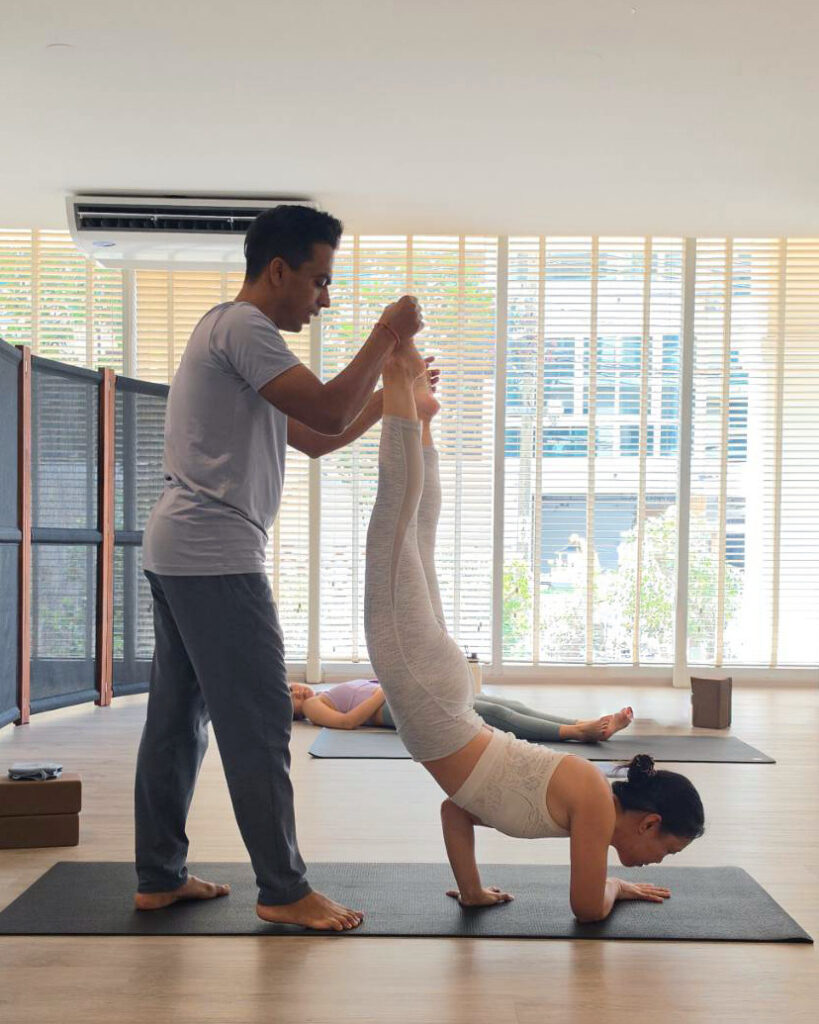
Master Jai teaches private, group classes and advanced courses at YogaSutra Studio, Bangkok
Yoga for Longevity & Vitality
They say you are only as young as your spine is flexible. Why is a healthy spine so important for keeping the rest of the body feeling young as we age?
There is deep truth in the idea that our age is reflected in our spine. The spine is the primary highway for all the signals traveling between your brain and your body. Every signal for movement, digestion, and even your heartbeat travels through this column. When we stop moving, our spine becomes stiff, the signals can become muffled, and the surrounding tissues begin to lose their vitality. The discs between your vertebrae are like sponges; they need movement to stay hydrated and bouncy. Without that movement, they flatten, and the “circuitry” of your nervous system starts to experience interference. By moving the spine in all directions, including twisting, folding, and lengthening, we keep the highway clear and the surrounding joints hydrated. A supple spine ensures that the body remains a clear, vibrant conductor of energy well into our later years.
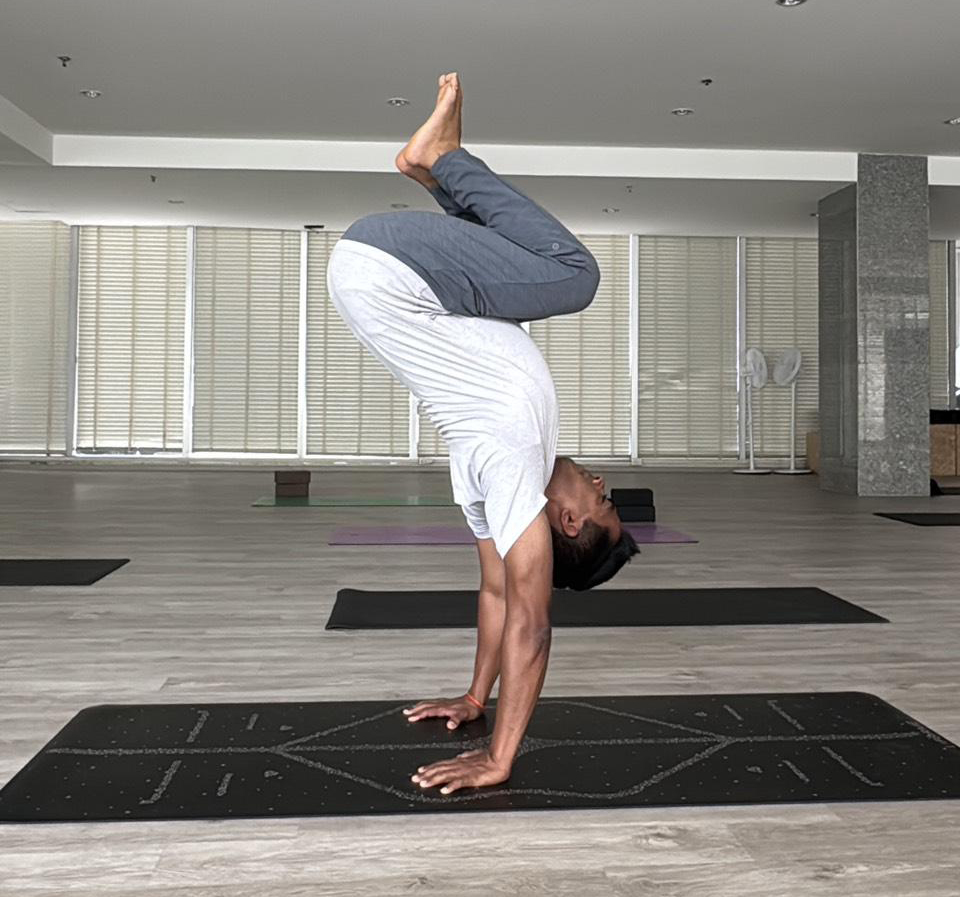 Master Jai, pictures taken at YogaSutra Studio, Bangkok
How does yoga help us stay mobile and independent in our later years differently than just lifting weights or doing cardio?
While weightlifting builds strength and cardio builds endurance, yoga focuses on functional fluidity and mobility. Traditional (gym) workouts often involve repetitive, linear movements that can tighten the body’s connective tissues over time but yoga, however, focuses on the “webbing” that holds us together. By stretching and strengthening simultaneously, we maintain the elasticity of our tissues. And this prevents that “brittle” feeling often associated with aging, allowing us to move with grace, ease, and independence in our later years.
As we age, we often lose the rotational and lateral movements we don’t use in daily life, leading to stiff necks, shuffling gaits, and a loss of balance. Yoga can also counter this physiological shortening by maintaining the hydration and elasticity of our connective tissues, specifically targeting spinal rotation for tasks like driving, hip mobility for independent movement, and ankle flexibility to prevent falls. By practicing these multi-directional movements, we are stretching muscles; but also recalibrating the brain’s “spatial GPS” and lubricating the joints, ensuring that the transition from sitting to standing – and navigating the world in between – remains effortless well into our 80s and 90s. Actually, some of my students are older and very capable of practising yoga at a high level, which, I must say does inspire the younger students to keep up!
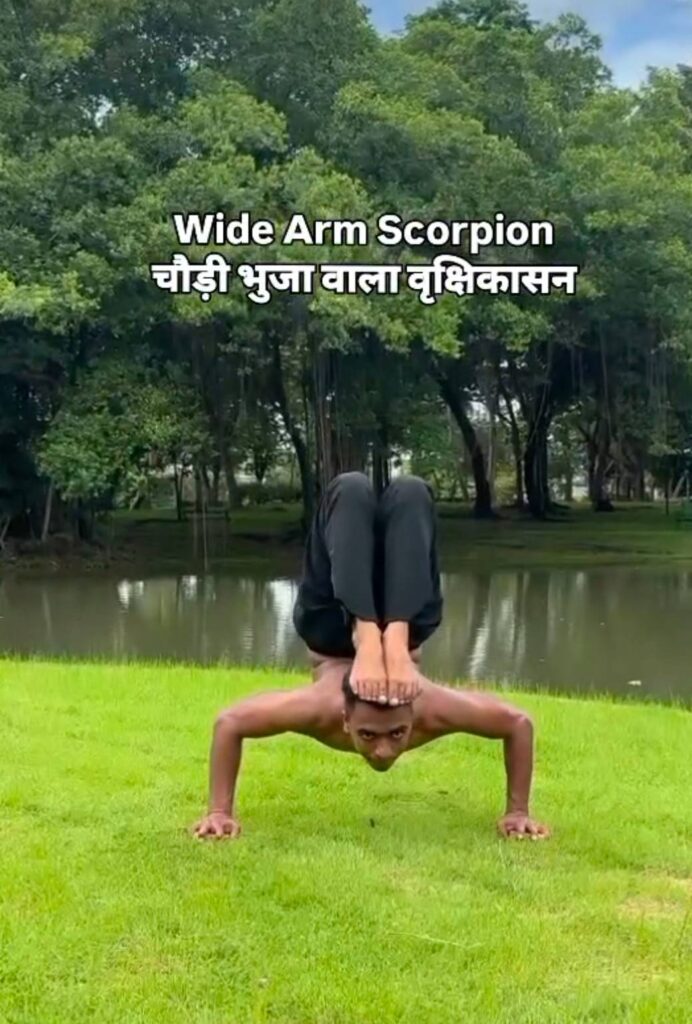
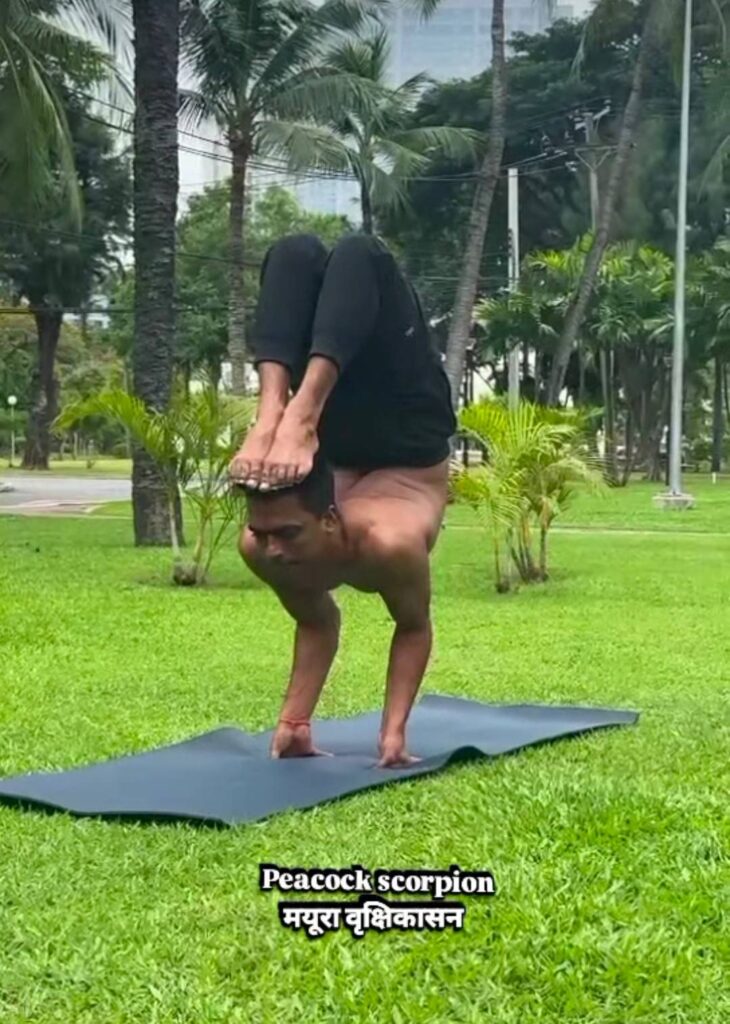
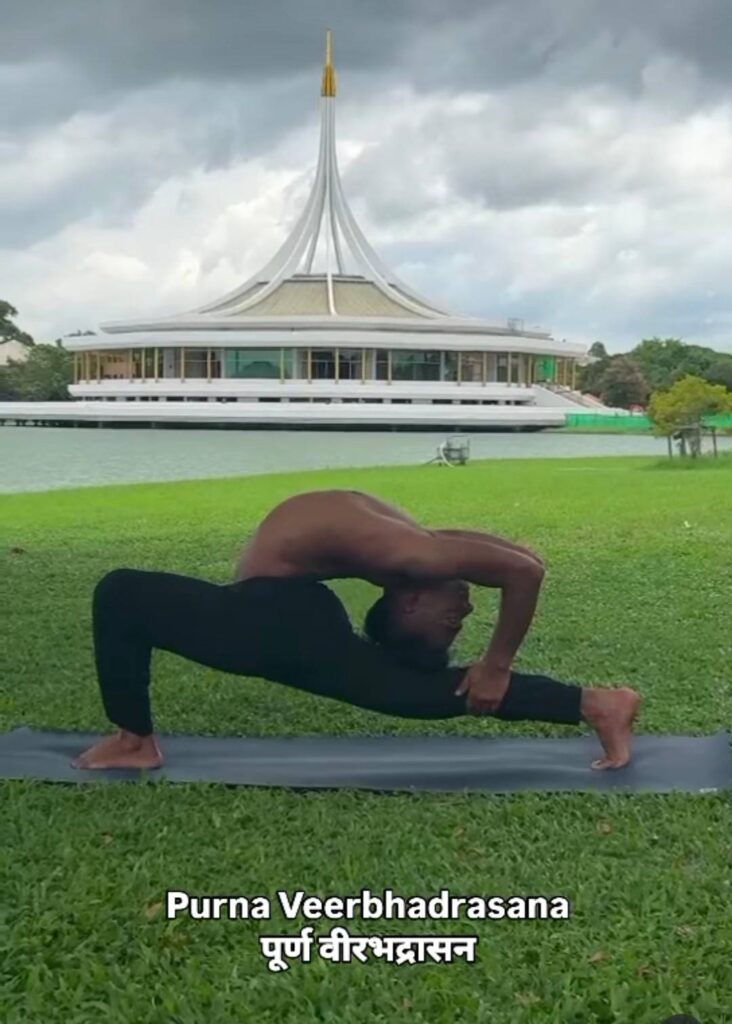
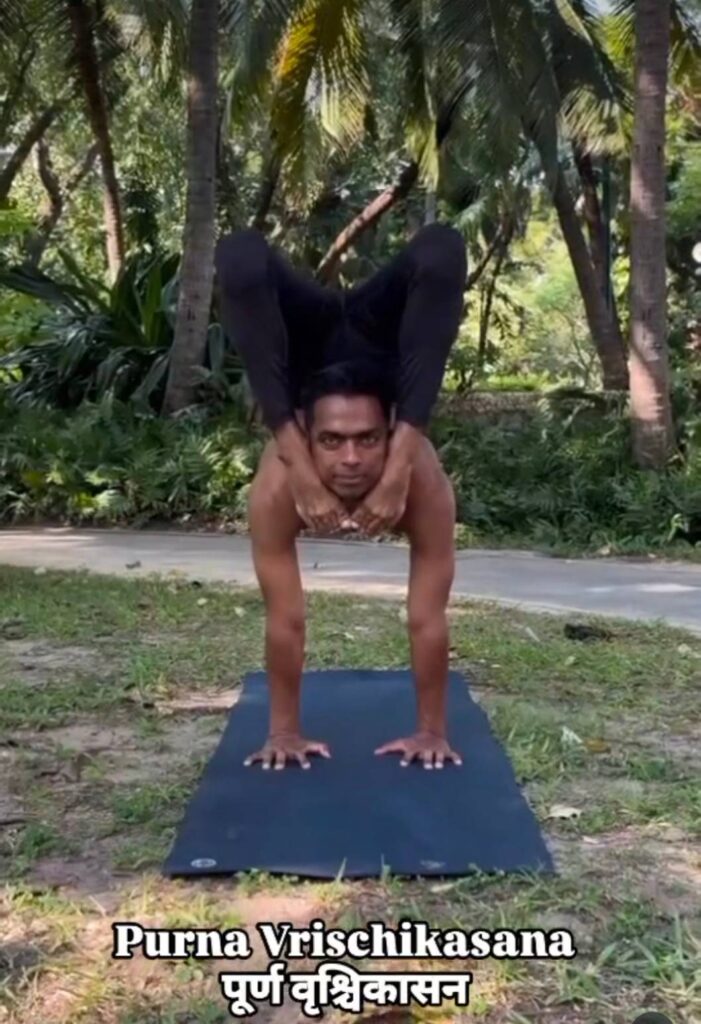
Master Jai won National Championships medals and two International Yoga World Cup 2006 Gold medals
We often hear ‘no pain, no gain.’ How does being kind and gentle with yourself in yoga actually lead to better physical results?
I believe that progress lives in the ‘sweet spot’, a place of intense sensation and muscle engagement, but never pain. Fear is often a tighter knot than any muscle in the body. We frequently reach a mental plateau long before we reach a physical one, convinced that the teacher’s pose is ‘beyond’ us. I view my role as a navigator, helping my students sail past the ‘I can’ts’ of the mind by holding a safe space where they can challenge those mental narratives to discover the true depth of their physical capacity. We push for growth, we lean into the stretch, and we contract with intention, always respecting the body’s safety, but never letting fear dictate our potential.
Our culture often tells us that “more is better” and that we must push through pain to see results. In yoga, we practice Ahimsa, or non-violence toward ourselves. Paradoxically, when we stop forcing and start listening, the body actually opens up faster. When the body feels pushed, it naturally tenses up to protect itself. When we approach a pose with kindness and patience, the nervous system relaxes, the muscles let go, and we achieve a level of depth that force could never reach.
If someone thinks they are too stiff or too busy for yoga, what is the main thing they are getting wrong about what the practice really is?
The most common myth is that you need to be flexible to do yoga. To me, saying you are “too stiff” for yoga is like saying you are “too dirty” to take a shower.
Stiffness is and should not be a barrier; it is simply your starting point. And instead of thinking about the practice as how far you can reach, I would rather my students discover about themselves on the way down. If you can breathe, you can do yoga. It is not a performance of flexibility, but a process of clearing away the tension so you can simply feel good.
Today, Master Jai teaches private yoga, group classes and advanced workshops at YogaSutra Studio and various other studios in Bangkok.